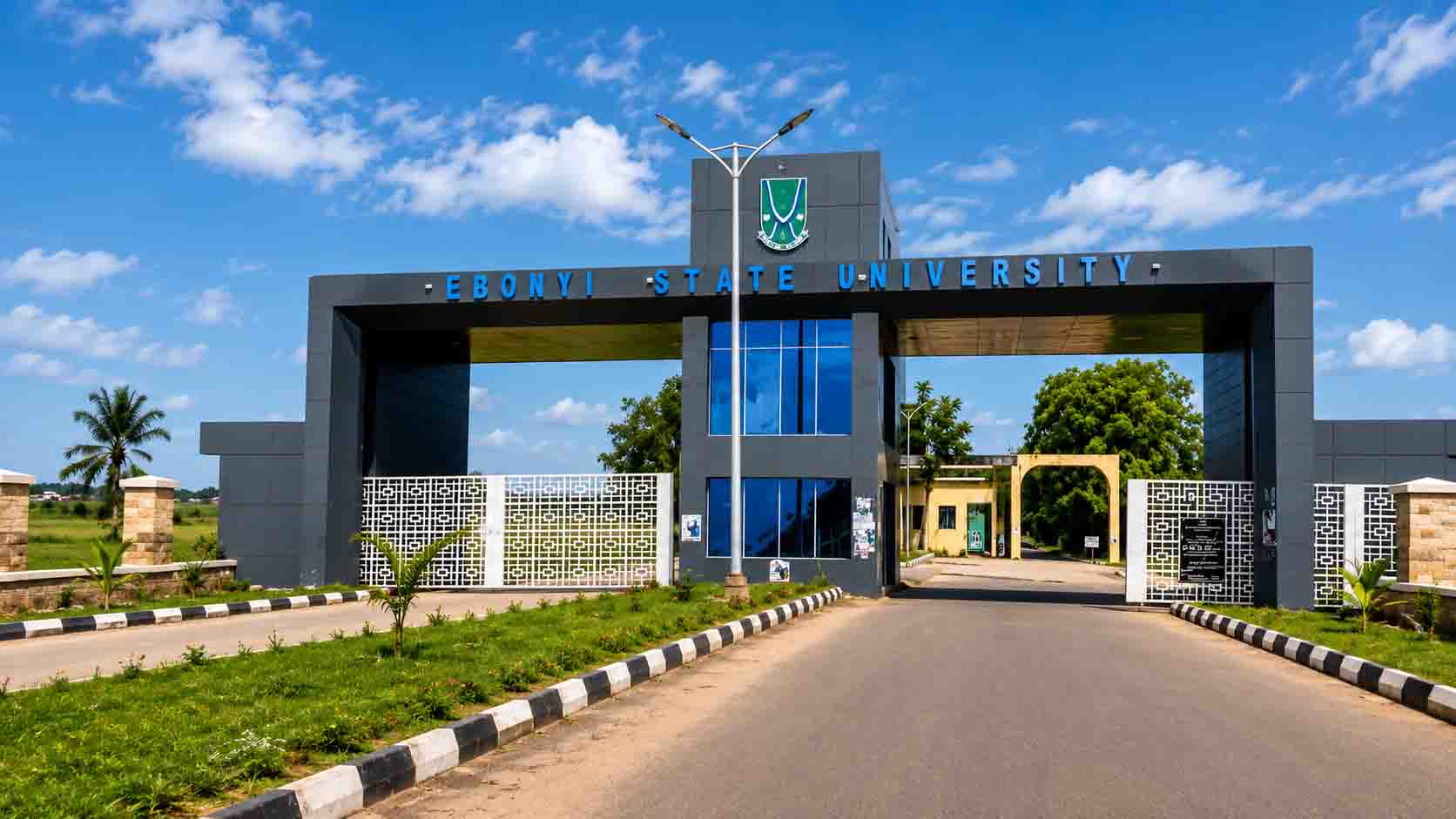
About Ebonyi State University (EBSU)
Get All EBSU Updates HereEbonyi State University is a state-owned multidisciplinary university in Abakaliki, Ebonyi State, that attained full autonomy in 1999/2000. Originating from the former ASUTECH/ESUT Abakaliki campus, it has grown into a leading institution in southeastern Nigeria, offering diverse academic programmes and contributing significantly to research, healthcare training, and agricultural development.
- Ebonyi State University is a public, state-owned university in Abakaliki, established as an autonomous institution in 1999/2000.
- The university evolved from the former ASUTECH/ESUT Abakaliki campus and has grown into a major multidisciplinary institution in southeastern Nigeria.
- EBSU operates multiple campuses, including the Main Campus, Presco Campus, Ishieke Campus, and CAS Campus, each serving different academic disciplines.
- The institution offers undergraduate and postgraduate programmes across faculties such as Medicine, Law, Science, Education, Management Sciences, Agriculture, and Health Sciences.
- EBSU is recognized for its contributions to healthcare training, agricultural development, research, and community service, serving over 25,000 students.
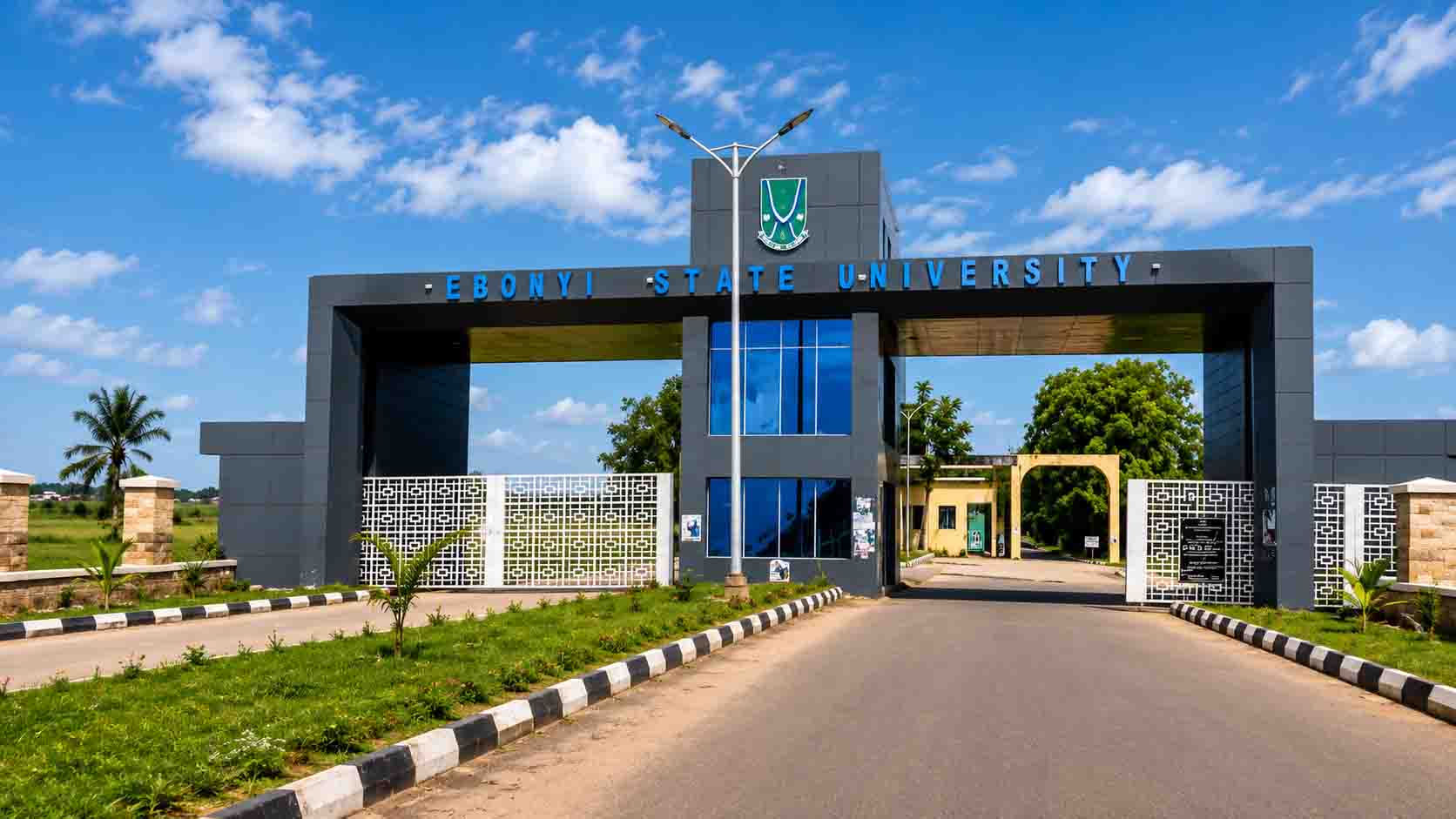
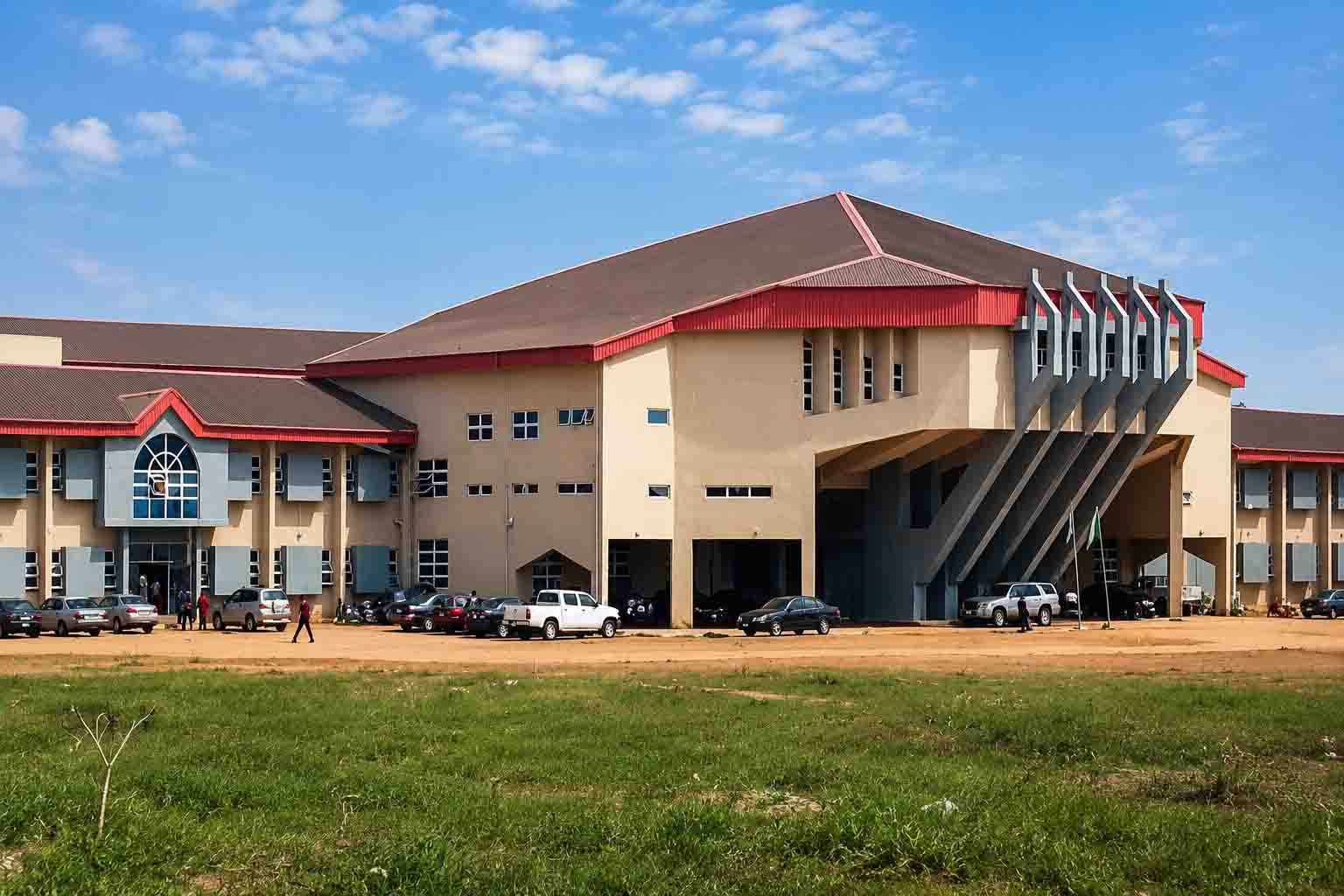
As one of the leading state-owned universities in southeastern Nigeria, Ebonyi State University (EBSU) has established a reputation for academic excellence, research innovation, and professional training across diverse disciplines. Over the years, the institution has expanded its academic offerings and infrastructure, attracting students from across the country while contributing significantly to healthcare, agriculture, and human capital development in Ebonyi State and beyond.
Ebonyi State University (EBSU)
Overview
Ebonyi State University (EBSU) is a public, state-owned multidisciplinary institution located in Abakaliki, the capital city of Ebonyi State, Nigeria. Officially established as an autonomous university in 1999, EBSU has grown into one of the leading state-funded universities in southeastern Nigeria, offering a diverse array of undergraduate, diploma, and postgraduate programs. The institution remains heavily committed to excellence in localized research, regional agricultural development, healthcare training, and community service.
History and Background
The foundational roots of Ebonyi State University trace back to the defunct Anambra State University of Science and Technology (ASUTECH), established on 30 July 1980 by the old Anambra State Government as Nigeria’s pioneer university dedicated to science and technology. ASUTECH operated a multi-campus structure, designating its Abakaliki campus to host the Faculties of Agricultural Sciences and Veterinary Medicine.
Following the political restructuring and splitting of old states in 1991, the Abakaliki infrastructure was absorbed under the newly formed Enugu State University of Science and Technology (ESUT). The site continued to expand, retaining its agricultural focus and later establishing an early medical college framework.
The creation of Ebonyi State in 1996 marked a major shift. By 1998, the Abakaliki campus was upgraded by state edict to Ebonyi State University College, functioning with temporary affiliation to ESUT under its first Rector, Professor Fidelis Ogah.
The institutional milestone occurred in 1999 when the administration of Dr. Sam Ominyi Egwu, the first Executive Governor of Ebonyi State, approved the transition of the college into a completely autonomous, full-fledged university. The enabling legislation (Ebonyi State University Law No. 7, 1999) received official executive assent on 14 January 2000. Professor Fidelis Ogah subsequently transitioned into office as the university’s pioneer Vice-Chancellor.
With complete autonomy secured, the university rapidly diversified, rolling out core faculties in the humanities, social sciences, management, and law. In 2002, the expansion peaked with the creation of specialized clinical and health science divisions to bolster medical access within the region.
Location and Campuses
EBSU operates a multi-campus structure distributed across strategic locations within the Abakaliki metropolis:
- Main / Permanent Site Campus: Houses central administrative buildings, the university secretariat, and key foundational faculties.
- Presco Campus: Accommodates specialized clinical medical schools and environmental system departments.
- Ishieke Campus: Focuses extensively on humanities, social sciences, and educational frameworks.
- CAS Campus (College of Agricultural Sciences): The historical root of the institution, housing extensive research farms, agricultural faculties, and specialized laboratories.
Academic Structure
EBSU structures its curriculum across several prominent academic divisions:
- Faculty of Science
- Faculty of Agricultural and Natural Resource Management
- Faculty of Education
- Faculty of Law
- Faculty of Management Sciences
- Faculty of Social Sciences and Humanities
- Faculty of Basic Medical Sciences
- Faculty of Clinical Medicine
- Faculty of Health Sciences and Technology
- School of Postgraduate Studies
The institution awards academic qualifications spanning basic professional certificates, diplomas, bachelor’s degrees, postgraduate diplomas (PGD), master’s degrees, and doctorates (Ph.D.).
Admission Information
Admission into EBSU is highly competitive and regulated. Prospective undergraduate candidates must sit for the Unified Tertiary Matriculation Examination (UTME) organized by JAMB and meet the designated institutional cut-off points.
Following the publication of UTME results, candidates must participate in the mandatory EBSU Post-UTME screening or Direct Entry screening exercises. Registration and screening trackings are carried out online through the university’s dedicated admission portal, with final screening confirmations finalized physically at respective campus registries.
Notable Achievements
- Southeastern Educational Hub: Transitioned seamlessly from a single-faculty satellite outpost into a sprawling multidisciplinary state university serving over 25,000 students.
- Healthcare Impact: Established a prominent clinical medical education infrastructure in Ebonyi State, heavily fortified by an active teaching affiliation with the Alex Ekwueme Federal University Teaching Hospital, Abakaliki (AE-FUTHA).
- Research Capitalization: Secured substantial research allocations, including multi-million Naira grants from the Tertiary Education Trust Fund (TETFund) for specialized biotechnology and renewable energy research.
Student Life
Student life balances intensive academic demands with diverse campus activities. The campus supports active chapters of the Student Union Government (SUG), departmental associations, and regional cultural groups. The university actively sponsors inter-campus sports competitions, entrepreneurial workshops, and skill-acquisition programs designed to supplement formal degrees with functional post-graduation vocational skills.
Notable Alumni & Administration
The university’s expanding alumni network includes prominent individuals in Nigerian governance, judicial systems, healthcare institutions, and corporate sectors.
- Notable Alumnus: Former Executive Governor of Ebonyi State, Dr. Sam Ominyi Egwu, holds deep historic ties to the school as its executive founder.
- Current Leadership: The university administration is led by Professor Michael Ugota Awoke, an esteemed Professor of Agricultural Economics, who serves as the Vice-Chancellor alongside an updated governing structure.
Frequently Asked Questions
When was EBSU established?
EBSU was upgraded to a university college in 1998, received its autonomous full university status via law in late 1999, and officially commenced full independent operations in January 2000.
Is EBSU a federal or state university?
It is a public state university, owned, funded, and managed by the Ebonyi State Government.
Where do EBSU medical students undergo clinical training?
Clinical training is conducted at the Alex Ekwueme Federal University Teaching Hospital, Abakaliki (AE-FUTHA), which serves as the primary teaching hospital partner for the university’s college of medicine.
Who is the current Vice-Chancellor of EBSU?
The university is administratively led by Professor Michael Ugota Awoke.
Conclusion
From its modest beginnings as a remote agricultural outpost under ASUTECH, Ebonyi State University has evolved into a robust, autonomous institution of higher learning. Its rapid ascent over the past two decades mirrors the educational ambitions of Ebonyi State. By anchoring its growth in crucial local sectors like sustainable agriculture, public healthcare, and tech-driven research, EBSU remains a vital driver of human capital development within Nigeria’s southeastern region.